Falconry is an ancient art of hunting with trained birds of prey, typically falcons or hawks. The history of falconry dates back over 4,000 years and has been practiced by various cultures around the world. The sport originated in Central Asia and spread to the Middle East, Europe, and eventually, to other parts of the world.
Falconry was initially used as a means of obtaining food, but it quickly evolved into a sport enjoyed by kings, nobles, and the wealthy. In ancient Egypt, falconry was practiced by the pharaohs and was considered a symbol of power and royalty. The ancient Persians also practiced falconry and considered it a noble art.
Falconry was introduced to Europe in the 5th century AD by the Huns and other nomadic tribes. By the 10th century, falconry had become a popular sport among European nobility, and falconers were highly valued for their skills. Kings and nobles would often exchange birds of prey as gifts, and many royal families had their own falconers.
During the Middle Ages, falconry became even more popular, and many treatises on the art of falconry were written. The most famous of these is the “Book of St. Albans,” which was published in 1486 and contained sections on hunting, hawking, and heraldry.
Falconry reached its peak in the 16th and 17th centuries, with the development of new hunting techniques and the breeding of specialized birds of prey. The sport became even more exclusive, and only the wealthiest members of society could afford to maintain the equipment and birds required for falconry.
In the 18th and 19th centuries, falconry declined in popularity as firearms became more readily available and hunting with birds of prey was seen as old-fashioned. However, the sport experienced a resurgence in the 20th century, and today, falconry is practiced in many parts of the world.
Falconry has also played an important role in the conservation of birds of prey. In the 1960s and 1970s, many species of raptors were on the brink of extinction due to habitat loss, pesticides, and other factors. Falconers were instrumental in breeding and releasing these birds back into the wild, and today, many species of raptors have made a remarkable recovery.
In modern times, falconry is regulated by various national and international organizations, and only trained and licensed individuals are allowed to practice the sport. Falconry is still considered a niche sport, but it has a dedicated following and is enjoyed by people of all ages and backgrounds.
In conclusion, the history of falconry spans thousands of years and has been practiced by many cultures around the world. The sport has undergone many changes over the centuries, but its fundamental principles remain the same: the art of training and hunting with birds of prey. Today, falconry continues to be a fascinating and rewarding pursuit for those who practice it, and it remains an important part of our cultural heritage.
-
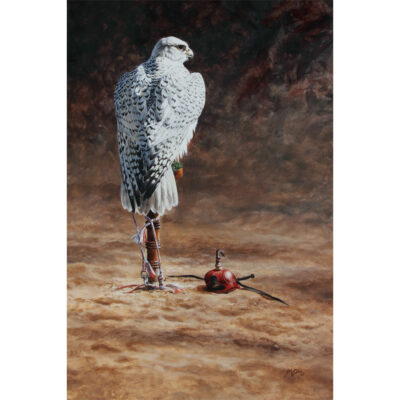 The Red Hood£185.00
-
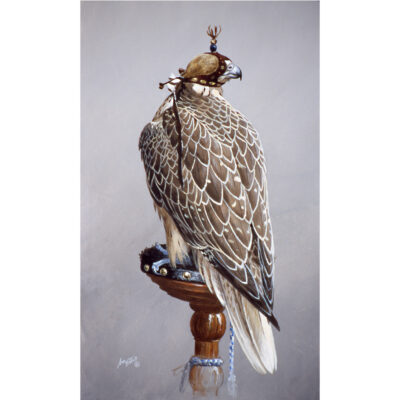 Hooded Ashgar Saker£85.00
-
 GernassPrice range: £185.00 through £400.00
You save